Overview
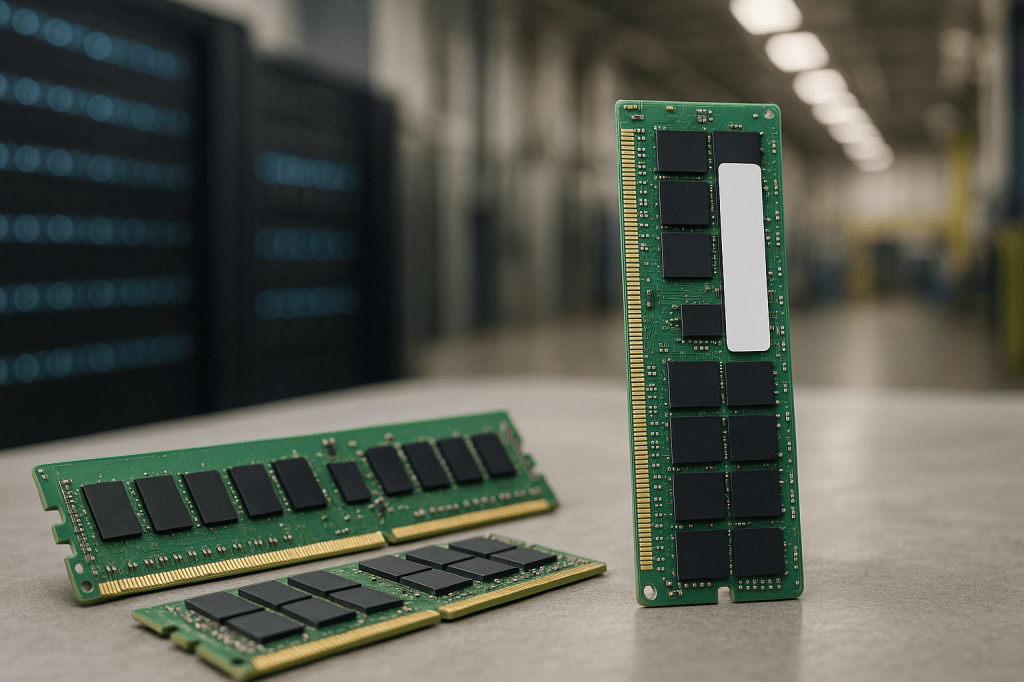
Major memory manufacturers Samsung, SK Hynix, and Micron are shifting supply toward server and data center customers. Those buyers support large artificial intelligence model training and inference operations. The shift is reducing the amount of DRAM available for consumer devices, and that is raising prices for RAM kits used by PC builders, laptop makers, smartphone assemblers, gaming console manufacturers, and single-board computer projects like Raspberry Pi.
DRAM, or dynamic random access memory, is the short term memory computers use to run programs and manage active tasks. When DRAM is scarce or more expensive, upgrades and new systems cost more. The current movement toward prioritizing AI and data center contracts has concrete effects on retail prices and product availability for everyday buyers.
What happened, in plain language
Three big memory makers, Samsung, SK Hynix, and Micron, control a large share of global DRAM production. Data center operators and companies training large AI models demand high quantities of server-grade memory. Because those contracts are more profitable, manufacturers are allocating a portion of production capacity to serve them first. That leaves less supply for consumer DRAM sold through brands and retail channels.
Micron and its consumer brand Crucial are an example of how these changes play out in the market. When a manufacturer shifts inventory or priorities, it can mean higher retail prices and temporary shortages for builders and manufacturers that rely on standard modules.
Why RAM matters to ordinary users
- PCs and laptops use DRAM to run operating systems and applications. More RAM means smoother multitasking and better performance in memory heavy apps.
- Smartphones and tablets use similar memory technology in different packages. When DRAM costs rise, manufacturers face higher component bills.
- Gaming consoles and single-board computers like Raspberry Pi need steady DRAM supply for production. Shortages can lead to price increases and slower restocking.
How AI and data centers use more memory
Large AI models and modern data center workloads use far greater amounts of memory than typical consumer tasks. Training and running big models often requires server configurations with high capacity and bandwidth. That creates a profit opportunity for memory makers to sell higher margin, server-grade DRAM to AI and cloud customers instead of standard consumer modules.
Immediate impacts on prices and availability
- Retail RAM kit prices have risen in many markets. DIY PC builders are seeing higher costs for the same capacity kits they would have bought earlier.
- Prebuilt PC makers may pass higher parts costs on to consumers, so overall system prices can increase.
- Manufacturers of small devices, including Raspberry Pi and other single-board computers, can face component supply constraints, which may cause temporary price increases or delays.
Market mechanics explained
Limited wafer capacity and long lead times
DRAM is made in specialized fabrication plants. Those fabs have a finite number of wafers they can process at any time. Building new factories takes years and large capital investment. A change in how manufacturers allocate wafers can influence available supply for months. That means shifts toward server demand show up quickly in customer supply and pricing.
Profit incentives, server memory versus consumer memory
Server grade memory often carries higher prices because it supports features such as error correction, higher density, and faster specifications. Selling to data centers can yield better margins for manufacturers than selling standard consumer modules. When firms prioritize those contracts, consumer markets get less capacity. The result is tighter supply and upward pressure on retail prices.
Short and medium term outlook
The duration of higher prices and constrained supply depends on several factors. New fab capacity and inventory cycles could ease pressure over months to a few years. If AI demand keeps growing strongly, pressure on memory supply could persist. Other factors that can change the picture include demand moderation in other segments, changes in manufacturer production plans, and improvements in memory technology efficiency.
What consumers and PC builders can do
Here are practical steps for people thinking about buying or upgrading systems:
- If you need a computer now, buy the memory you require. Waiting may cost more if prices rise further.
- If you can wait and your current system is adequate, hold off and watch price trends for a few weeks to months. Market movements can reverse when inventories adjust.
- Consider alternatives where appropriate. Upgrading storage from a mechanical drive to an SSD can improve perceived performance in many cases, without needing extra RAM.
- Buy from reputable brands and sellers to ensure warranty coverage and authentic modules.
- Refurbished systems or used RAM can be cost effective, but check compatibility and seller returns policy carefully.
- For builders, consider buying full kits rather than single sticks to avoid compatibility and timing issues when adding more memory later.
- Watch price trackers and retailer histories for sales and dips. Historical charts help identify reasonable entry points.
Who is most at risk
- Hobbyist PC builders who buy individual kits and small retailers that cannot compete for bulk supply.
- Small device makers and single-board computer vendors who order smaller volumes than large OEMs.
- Regions dependent on imports when global supply tightens and shipping adds delay.
Broader implications for supply chains and policy
The shift in DRAM allocation highlights how AI investment can affect consumer electronics supply chains. When key suppliers prioritize higher margin or strategic contracts, smaller customers feel the effect. That raises questions for policymakers, industry groups, and companies about how to ensure healthy competition and reliable access for consumer markets.
Possible responses include encouraging more diverse manufacturing capacity, supporting domestic or regional fabs, and promoting transparency so buyers can plan ahead. Those options take time and policy coordination, but they matter for preventing chronic shortages in critical components.
Key takeaways
- Samsung, SK Hynix, and Micron are directing more DRAM to AI and data center customers, creating tighter supply for consumer memory.
- That shift raises prices for RAM kits and can drive higher costs for PCs, laptops, gaming consoles, and single-board computers like Raspberry Pi.
- Short term price pressure depends on fab capacity, production lead times, and how quickly manufacturers rebalance inventory.
- Buy if you need immediate performance; otherwise monitor prices and consider alternatives such as storage upgrades or refurbished systems.
FAQ
Q: Should I buy RAM now or wait?
A: If your current system no longer meets your needs, buy now to avoid further price increases. If your system is adequate, monitoring prices for several weeks or months may find a better deal.
Q: How long will the shortage last?
A: There is no fixed timeline. Easing depends on new factory capacity, inventory changes, and whether AI demand moderates. Improvements could appear over months to years depending on how these factors move.
Q: What is the difference between server DRAM and consumer DRAM?
A: Server DRAM often includes features such as error correction and supports higher densities and speeds. Those modules are designed for continuous, heavy workloads. Consumer DRAM focuses on desktop and laptop needs and is sold in different channels and price points.
Q: Why did Raspberry Pi prices rise?
A: Small single-board computer makers purchase DRAM like other device manufacturers. When DRAM becomes scarcer or more expensive, component costs can push up final product prices or reduce available stock.
Conclusion
The current memory shift reflects a business choice by major manufacturers to serve high demand from AI and data center customers. That choice affects everyday buyers through higher RAM prices and potential shortages for devices that rely on DRAM. For consumers and builders, practical steps include buying when necessary, watching price trends, and considering alternative upgrades. For policymakers and industry leaders, longer term responses focus on supply diversification and expanding production capacity.
Keeping informed about inventory trends and manufacturer announcements will help you make the best choice for your needs.




 AI Everything Today
Leave a comment