
Overview: What happened and who said what
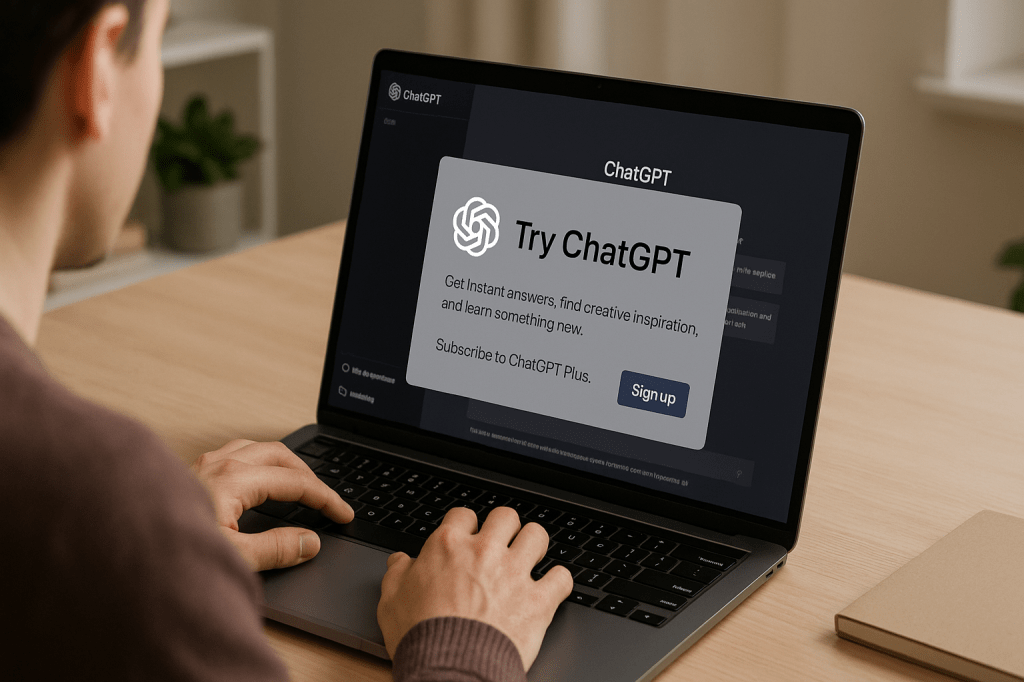
OpenAI turned off a set of app-suggestion messages inside ChatGPT after users complained that the messages resembled advertisements. TechCrunch reported the change, noting that the prompts appeared in the ChatGPT interface and many users found them confusing. OpenAI says no ads or ad tests are live, while the companys chief research officer acknowledged the firm “fell short” with recent promotional messages and confirmed the feature was disabled.
This article explains what users saw, why the messages looked like ads, what OpenAI has said, and why this matters for people who use ChatGPT every day. The key actors in this story are OpenAI, ChatGPT, and the independent reporting from TechCrunch. The chief research officers comment is a public admission that the rollout did not meet user expectations.
What the app-suggestion messages looked like
Users reported seeing small promotional-style messages inside the ChatGPT interface that suggested third party apps or add-ons. Reports described the appearance as similar to in-product tips, but with language that promoted particular services. Placement and visual design made the items blend with system suggestions, creating potential confusion about whether they were recommendations, ads, or official product features.
Common characteristics reported by users
- Short text prompts that recommended specific apps or tools.
- Placement inside the chat or sidebar where system suggestions normally appear.
- Design elements that matched the surrounding UI, such as similar typography and spacing.
- Language that read like a promotional message rather than a clearly labeled sponsored item.
OpenAI’s public stance
OpenAI said it has not launched ads and it is not testing advertisements in ChatGPT. The company disabled the app-suggestion messages after user feedback. The chief research officer publicly admitted the company “fell short” with the recent messages, an acknowledgement that the execution did not match user expectations for transparency and clarity.
Why users perceived the messages as ads
Perception came down to design, placement, and language. When promotional content appears in the same layout as product hints, users can easily interpret it as advertising. Key factors that increased confusion included:
- Visual similarity to non-promotional system prompts.
- Placement in areas users expect neutral tips or required actions.
- Language that emphasized the benefits of third party tools without clear labels like sponsored or promoted.
For a non-expert user, these elements can erode trust because it becomes harder to tell which parts of the interface are product features and which are paid recommendations.
Transparency and disclosure best practices for AI products
Clear labeling and obvious separation of promotional content are standard best practices in digital product design. For AI tools that combine system guidance and promotional suggestions, companies should follow simple rules:
- Label promotions clearly with terms like Sponsored or Promoted, placed where users immediately see them.
- Use distinct visual styling for ads, such as different background color, borders, or placement away from neutral system messages.
- Offer an explanation of why a suggestion was shown, for example whether it is personalized or paid for by a partner.
- Make experiments opt in when they could influence user decisions, rather than pushing changes silently to everyone.
Business model tension, monetization, and user trust
AI companies face growing pressure to find sustainable revenue streams. Promotions and partner suggestions are one monetization option. At the same time, long term user trust depends on clear disclosure and product integrity. When monetization strategies blur the line between neutral assistance and paid promotion, users may feel misled, which can hurt retention and brand reputation.
Companies balancing revenue and trust should consider incremental approaches. For example, building transparent partner programs with clear labels reduces the chance of damaging user confidence. A rushed rollout that treats promotional items as regular UI elements increases the risk of user backlash.
Competitive and regulatory context
Other AI platforms have experimented with promotions, integrations, and partner features, with varying disclosure practices. Regulators have been watching digital advertising and platform transparency more closely in recent years. If promotional content in AI products is not clearly disclosed, it could attract scrutiny from consumer protection authorities or advertising regulators.
Regulators tend to focus on whether users can tell when content is paid for, and whether the platform takes steps to prevent deceptive practices. Clear labeling and audit trails for experiments can help companies demonstrate good faith in regulatory reviews.
User impact and community reaction
Users raised concerns in public forums and on social channels about privacy, experience, and trust. Specific worries included:
- Privacy: whether suggested apps had access to chat data, and how that data would be used.
- User experience: the friction created by unclear promotional placement.
- Long term retention: whether the product remains a neutral assistant or becomes a commercial marketplace.
OpenAI responded by disabling the feature and acknowledging mistakes. That action addresses the immediate user concern, but it does not replace a broader conversation about how the company will handle promotions going forward.
Recommended next steps for OpenAI and other AI companies
Following this incident, practical recommendations include:
- Review and revise UI to separate promotional content from system messages.
- Adopt explicit labeling standards for paid suggestions and partner content.
- Run partner or promotional experiments only with opt in and clear user consent.
- Publish a short transparency note that explains when and why promotions might appear, and what user data is shared, if any.
- Open dedicated feedback channels and report back on changes driven by user input.
These steps preserve product integrity while allowing companies to explore sustainable business models.
Opportunities for deeper reporting
Journalists and researchers can add value by collecting and publishing more evidence. Useful follow up includes:
- Sourcing user screenshots that show exactly how the suggestions appeared in the interface.
- Getting quotes from advertising and privacy experts about best practices for disclosure.
- Requesting a follow up statement from OpenAI that outlines specific changes and timelines.
- Comparing transparency measures across AI products to identify industry norms.
What ordinary users can do now
- Watch for updates from OpenAI inside the app or in official channels that describe changes.
- Ask questions about data handling when a third party is recommended.
- Provide feedback through any official product feedback tools, so companies know how users interpret UI changes.
Key takeaways
- OpenAI disabled app-suggestion messages after users said they resembled ads; the company says it is not running ads or ad tests.
- The chief research officer admitted the firm fell short, which is a public recognition of user concern.
- Confusion came from design, placement, and language that made promotions look like regular system suggestions.
- Clear labeling, opt in experiments, and transparent data practices reduce confusion and protect trust.
- Regulators and users are watching how AI platforms show promotions, so disclosure standards matter.
FAQ
Was ChatGPT showing traditional ads? OpenAI says it was not running ads or ad tests. The company disabled the app-suggestion messages after user complaints, and a senior executive said the rollout did not meet expectations.
Did the suggestions share my chat data with partners? Public reporting did not confirm any automatic data sharing. Users concerned about data access should check app settings and any prompts that appear when integrating third party services, and ask the company for a clear data handling explanation.
Will OpenAI put similar suggestions back in the product? The company has not announced a relaunch plan. Best practice would be to reintroduce promotional content only with clear labels, user consent, and a transparent explanation of data use.
Conclusion
The recent incident shows how sensitive the line is between product guidance and promotion inside AI assistants. OpenAI acted quickly to disable the suggestions after users raised concerns, and leadership acknowledged the shortfall. For users, the episode is a reminder to ask how and why recommendations appear. For companies, it is a clear signal that transparency and deliberate design choices matter when introducing monetization features.
Moving forward, clear labeling, opt in experiments, and regular user feedback should guide any promotional integrations in AI products. Those steps help protect trust, limit regulatory risk, and let companies develop revenue strategies without surprising or confusing their users.


 AI Everything Today
Leave a comment