Quick overview: what happened, who is involved, and why it mattered
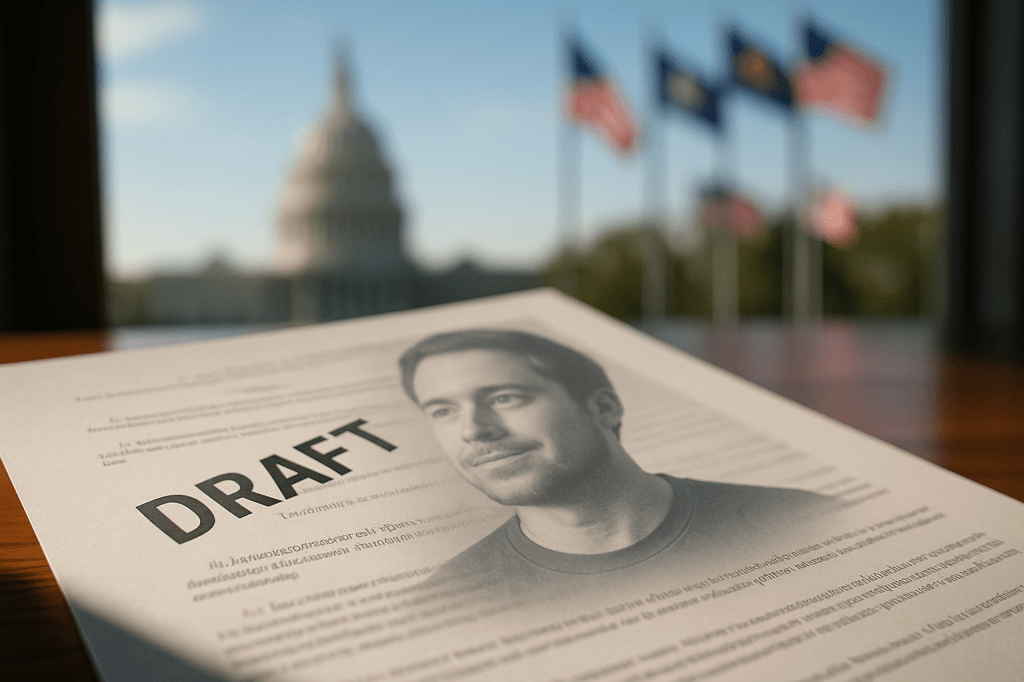
In early 2025 a leaked draft of a White House executive order suggested the federal government would preempt many state AI laws. The draft was traced to private drafting that would have given unusual influence to tech investor David Sacks. Once the text circulated, lawyers, state officials, and policy experts flagged constitutional and procedural problems, and the plan unraveled fast.
This story centers on David Sacks, the White House, state attorneys general, and advocates for AI safety and consumer protection. The episode highlights tensions about who should set AI rules, the limits of executive power, and the risks when private actors try to shape public policy in secret.
Timeline: how the rumor spread and what leaked
The sequence moved quickly.
- First, a rumor circulated in Washington and online that the White House would issue an executive order preempting state AI laws. Preempting means federal rules would override state laws on the same topic.
- A draft order then leaked. Close readers noticed provisions that seemed to sidestep standard rulemaking routes and that appeared to concentrate power in a limited set of offices.
- Legal experts, state officials, and civil society groups publicly criticized the draft. They pointed to constitutional and procedural problems, and to the unusual private influence behind the text.
- The proposal collapsed as the pushback mounted, illustrating how quickly public scrutiny can alter policy plans that lack transparency.
Who is David Sacks, and what did the draft do for him
David Sacks is a high profile tech investor and entrepreneur. He has been active in funding and promoting projects in the technology sector. In this case, leaked material indicated Sacks had a role in shaping language that, if implemented, would have centralized authority in federal offices that could align with his policy views.
The draft would have:
- Placed broad preemption of state AI laws on federal agencies or offices, limiting states ability to pass their own rules.
- Appointed or empowered specific federal entities in ways that raised questions about separation of powers and standard administrative procedures.
- Excluded or marginalized some existing agencies that typically regulate consumer protection, privacy, and civil rights.
Why legal and political experts raised alarms
Experts flagged several problems, each with concrete implications for the rule of law and for democratic process.
- Overbroad authority. The draft appeared to give sweeping powers without clear standards. Courts often reject agency action that lacks precise statutory authorization.
- Agency exclusion. Key agencies that handle privacy, consumer protections, and civil rights were not given usual roles. That raised questions about whether the draft respected existing statutory responsibilities.
- Procedural concerns. Executive orders cannot rewrite statutes or create new law without proper congressional authorization. Blocking state laws wholesale through an executive action risks being struck down in court.
- Private influence. The apparent role of a private individual in drafting policy for the executive branch alarmed ethicists and transparency advocates. Policy normally goes through public and interagency review; bypassing those steps raises conflict of interest concerns.
Plain language definition: what is an executive order and what is preemption
An executive order is a direction from the president to the executive branch on how to enforce laws and run federal agencies. Executive orders cannot create laws that Congress did not pass. Preemption is a legal principle where federal law overrides state laws on the same subject. The scope of preemption is usually set by Congress or by courts interpreting statutes, not by informal drafts from private actors.
How lawyers, state officials, and advocates responded
The reaction combined legal analysis and public pressure.
- Constitutional scholars pointed out that the draft could exceed presidential authority and conflict with the role of Congress and the courts.
- State attorneys general warned they would defend state laws in court if necessary. Several states have already enacted AI rules on topics such as biometric data, agency transparency for automated decisions, and consumer protections.
- Civil society groups called for transparency. They argued policy drafting needs public consultation and clear conflict of interest safeguards.
- Some tech companies and trade groups were privately skeptical of a sudden preemptive federal order, preferring predictable, statutory frameworks instead.
Why this matters to ordinary people
This episode affects everyday life in three concrete ways.
- Consumer protections. State AI laws often address issues like bias in automated decisions, facial recognition, and transparency about how algorithms affect people. Broad federal preemption could weaken those protections, depending on the federal standards set.
- Accountability. If agency roles are narrowed, enforcing rules about discrimination, privacy, and safety could become harder for the public.
- Policy fairness. Private drafting of public rules risks biasing policy toward particular commercial interests. That can shape the types of AI products on the market and the safeguards people experience.
Federal preemption versus state-level regulation, explained
There are trade offs between a single federal standard and a patchwork of state rules.
- Federal standards can create national consistency, which helps companies scale products across state lines, and can provide a single baseline of protection for citizens.
- State rules allow local experimentation and quicker responses to new problems. States sometimes act as policy laboratories when Congress moves slowly.
- Preemption is a legal balancing act. Courts consider congressional intent, the text of federal law, and whether state rules conflict with federal objectives.
Lessons about transparency and private influence
This episode offers practical lessons for public policy and civic participation.
- Open process matters. Public rulemaking allows outside experts and affected communities to spot problems early. Secrecy increases the risk of legal missteps and public backlash.
- Watch sources of drafting. When private actors shape policy behind closed doors, it raises questions about whose interests are prioritized.
- Legal foundations are crucial. Even high level policy goals need clear statutory support. Courts will check actions that appear to exceed executive authority.
What to expect next: likely policy paths and what to watch
Several outcomes are possible going forward.
- Congressional action. Lawmakers may pursue statutory AI frameworks that clarify federal roles, though passage would take time and negotiation.
- State enforcement and litigation. States may continue building their own rules and be prepared to defend them in court, pushing back against any federal overreach.
- More transparent rulemaking. Agencies may adopt clearer interagency procedures and public comment periods for AI policy to avoid similar blowback.
- Company responses. Businesses should monitor multi jurisdictional rules and prepare compliance strategies that handle both state and potential federal standards.
Key takeaways
- A leaked draft executive order suggested federal preemption of many state AI laws, with a private actor, David Sacks, connected to drafting. The plan drew fast public criticism.
- Legal experts said the draft raised questions about overbroad executive authority, improper exclusion of agencies, and the limits of what an executive order can do.
- State officials and advocates pushed back, highlighting the role of state laws in protecting people from harmful automated decisions.
- The episode shows why transparency in policy development matters, and why courts and Congress remain central to sorting federal and state roles.
FAQ
Does this mean federal rules will never preempt state AI laws
No. Federal preemption can be lawful if Congress clearly authorizes it or if courts find conflict between federal and state law. The leaked draft failed because of procedural and legal concerns, not because preemption is impossible in every case.
Why is it a problem if private people help write policy
Private input is normal in policymaking, but rules should go through formal public processes. That ensures accountability, reduces conflicts of interest, and allows affected communities to comment before a rule is finalized.
How should ordinary people follow this topic
Watch for clear federal proposals from Congress or agencies, state legislation on automated decision making, and court cases over preemption. Consumer groups and state attorneys general often publish plain language guides when new rules are proposed.
Concluding thoughts
The leaked draft episode is a short story about power, process, and the public interest. It shows that rulemaking done quietly can fail quickly when the public and legal experts examine it. For citizens, the practical outcome matters more than who drafted the language. The core questions are about how to balance consistent national rules with local protections, and how to make sure policy is made transparently and in the open.
Policymakers, companies, and advocacy groups will keep debating the best path. For now, the incident is a reminder that in democratic systems, the rules about rules matter as much as the rules themselves.






 AI Everything Today
Leave a comment