
Quick overview
Google released Gemini 3, a new large language model, and it drew immediate attention. Within 24 hours more than one million people tried Gemini 3, and the model moved quickly to the top of benchmark rankings, including LMArena listings. Google integrated Gemini 3 into Google Search at launch, raising questions about what this means for competitors such as OpenAI and Anthropic, and for everyday users.
This article explains what Gemini 3 is, why it made headlines, and what ordinary readers should know about the technical claims, user experience changes, business impacts, and the risks to watch.
What is Gemini 3 and what Google says is new
Gemini 3 is Google’s latest flagship generative AI model. Google positioned it as a major step up from prior generations, stating improvements in reasoning speed, factual accuracy, and multimodal capabilities. The company emphasized tighter integration with Google Search, and more responsive chat and assistant experiences across its products.
Key features Google highlighted include faster response times, improved handling of complex prompts, and stronger results on standard benchmarks. Google framed Gemini 3 as both a research milestone and a practical tool for users inside its ecosystem.
Simple definitions
- Large language model, or LLM, is software trained on large amounts of text and data that can generate humanlike text and answers.
- Benchmarks are standard tests researchers use to compare models on tasks like reasoning, coding, or knowledge recall.
- LMArena is a public rankings site that aggregates model performance across many benchmarks, often used to track leaderboards.
Immediate reception and the viral response
The public and tech press reacted quickly. Gemini 3 topped several benchmark lists and gained favorable placement on LMArena. Media headlines, social posts, and memes circulated rapidly, capturing both excitement and skepticism about the new model.
Google reported the one million trial figure in roughly 24 hours, a sign of strong initial interest. The speed of uptake produced a broad cultural reaction, including playful memes and widespread commentary in tech communities.
What the early numbers mean
- High trial numbers show curiosity and willingness by users to try new AI features, especially when placed inside a widely used product like Search.
- Benchmarks provide a snapshot of model strengths, but they do not capture all user needs, such as long term reliability or real world safety performance.
- Cultural reaction can amplify perceived success, but viral attention is not the same as sustained adoption.
Search integration and user experience changes
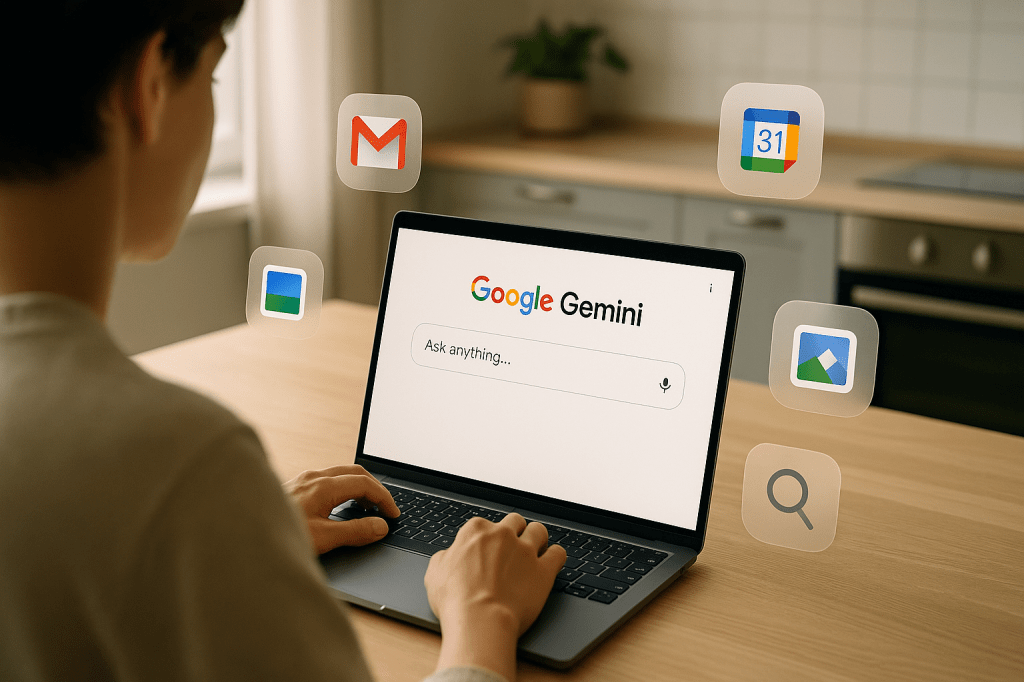
One of the most consequential moves was embedding Gemini 3 into Google Search from the start. Integrating a high performing generative model into Search shifts how people may find and consume information.
For users this can mean more conversational answers, synthesized summaries, and step by step help directly in search results. Google aims to replace or augment traditional results with richer generative responses for many queries.
Practical user impacts
- Faster answers to complex questions, with synthesized text that combines sources.
- Potentially fewer clicks to external websites, because the model can present concise summaries inside Search.
- New help for tasks like coding, composing emails, or planning trips directly through Search interfaces.
Competitive impact on OpenAI, Anthropic, and others
Gemini 3’s strong launch is likely to accelerate competitive moves across the industry. Companies such as OpenAI and Anthropic are primary comparators, and each will respond on product, pricing, or model development.
Short term, Gemini 3’s lead on benchmarks and visibility may shift attention and customers toward Google services. In the longer term, competition can drive faster innovation, and other providers may release new models or tighten integrations with partner platforms.
Strategic implications
- Platform advantage: embedding a top model into a dominant search engine strengthens Google’s position as a central AI access point.
- Product arms race: rivals may speed up model releases or focus on niche strengths, such as safety features or specialized enterprise APIs.
- Partner dynamics: companies building on top of third party models will weigh trade offs between quality, cost, and control.
Technical questions and evaluation limits
Benchmarks and public rankings are useful, but they have limits. They test specific tasks under controlled conditions. Real world performance depends on factors that benchmarks do not always measure, such as long form truthfulness, consistent safety, and how a model handles adversarial prompts.
Some experts caution that early benchmark dominance can be transient. Differences in evaluation setups, prompt engineering, and dataset overlap can skew results. Independent audits and long term testing are important to validate claims.
Areas to watch for technical concerns
- Hallucination risk, where a model confidently states incorrect facts.
- Evaluation bias, when a model may have been trained on material similar to benchmark tests.
- Performance under adversarial use, including attempts to bypass content controls.
Business ramifications and monetization
Gemini 3’s launch shifts potential revenue paths for Google. Integrating a leading model into Search can affect advertising, subscriptions, and enterprise offerings.
For advertisers, fewer clicks to external pages could change how ad inventory performs. For Google, bundling advanced AI into core products may increase user engagement, and open additional subscription or premium product options for advanced capabilities.
Possible commercial outcomes
- New premium tiers for advanced generative features and faster access.
- Shifts in ad formats, where search results and generative answers interact with sponsored content.
- Enterprise demand for private, secure versions of the model that integrate with corporate data.
User adoption and experience signals
The reported figure of more than one million users trying Gemini 3 in 24 hours is a strong early signal. It shows broad curiosity and the potential for rapid behavior change when a major platform adds new AI features.
However, trial numbers are not the same as long term retention. Users may try a feature once out of curiosity. Ongoing adoption will depend on how useful and reliable people find the model over time.
Regulatory and ethical considerations
With a high profile rollout and deep Search integration, questions about transparency, content moderation, and misinformation gain urgency. Regulators and civil society groups will likely focus on how Google verifies facts and handles harmful content.
Key concerns include clarity about when answers are generated versus quoted from sources, the handling of copyrighted material, and the prevention of misuse in fields like medical, legal, or financial advice.
Short list of ethical priorities
- Transparency about how the model sources and synthesizes information.
- Strong safety measures to limit harmful or misleading outputs.
- Privacy safeguards when models are applied to personal or sensitive data.
What to watch next
Several follow up signals will be important to assess Gemini 3’s lasting impact.
- Usage trends beyond the initial 24 hour spike, including weekly active user numbers.
- Independent benchmark reports and third party audits that test real world behavior.
- Responses from competitors, such as model updates or pricing changes from OpenAI and Anthropic.
- Regulatory attention and any new rules or guidance that address generative AI in search engines and public services.
- Developer interest in API access and enterprise adoption for internal tools and customer facing apps.
Key takeaways
- Gemini 3 is a high profile model release from Google that quickly topped benchmarks and drew strong public interest.
- Integration into Google Search is a major strategic move that could change how people find information online.
- Benchmarks and initial trial numbers are useful signals, but independent testing and real world usage will tell a fuller story.
- Competitors will respond, which is likely to speed further innovation and product differentiation.
- Regulatory and ethical questions about transparency, misinformation, and safety are more urgent when a top model sits inside a dominant search product.
FAQ
Is Gemini 3 definitively better than OpenAI models? Early benchmarks and rankings put Gemini 3 ahead on several tests. That shows strengths in certain tasks. It does not prove overall superiority in all use cases, and direct comparisons depend on what tasks you care about.
Will Gemini 3 replace traditional search results? Google is making generative responses a more common part of Search. In many cases you will see summaries and conversational answers; traditional links will still appear for many queries, but the balance may shift over time.
Should I be worried about misinformation? Generative models can produce confident wrong answers. Users should verify important information using trusted sources, and pay attention to how Google attributes or cites sources inside generated answers.
Conclusion
Gemini 3’s launch matters because Google combined strong benchmark performance with immediate integration into Search and a massive user base. That mix amplified attention and created a moment where a single company can shift expectations about how people interact with AI daily.
For ordinary users the key thing to watch is whether these features deliver consistent, reliable help in everyday tasks. For businesses and developers the questions are about access, pricing, and control. For regulators and the public the urgent topics are transparency and safety. The early signals are clear, and the next months will show whether Gemini 3’s lead holds up under broader testing and long term use.




 AI Everything Today
Leave a comment