
Overview: Tim Cook, Apple, and a new AI direction
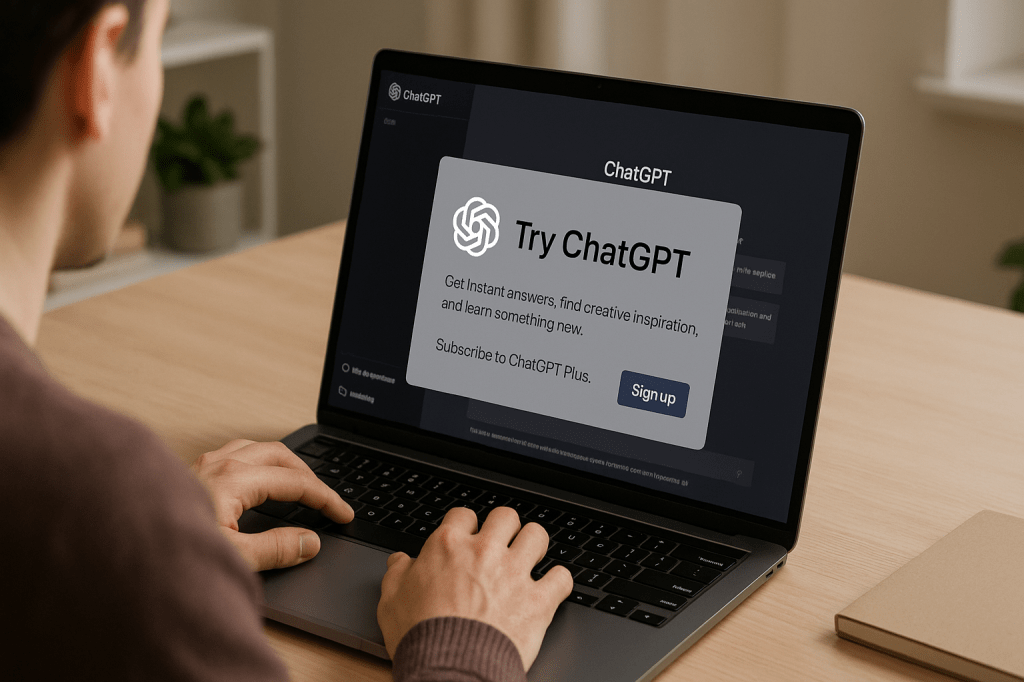
On the Q4 2025 earnings call, Apple CEO Tim Cook said the company is open to mergers and acquisitions in the AI space. He mentioned that Apple is preparing to announce additional AI partnerships similar to the one with OpenAI, which integrates ChatGPT into Siri and Apple Intelligence. Those comments come after Apple revealed its initial steps to embed ChatGPT features across iOS and macOS experiences.
This article explains what Cook said, why Apple may pursue M&A in AI now, what kinds of companies could be of interest, and what ordinary users and developers should watch next. Key actors include Apple, Tim Cook, OpenAI, ChatGPT, Siri, and competing cloud and AI providers such as Google, Microsoft, and AWS.
What Tim Cook said and the immediate context
Cook framed the comment during Apple’s Q4 2025 earnings call as part of a broader discussion about Apple’s AI work. He indicated Apple plans more AI partnerships, and that M&A is on the table as a tool to accelerate capability and integration. The OpenAI collaboration was offered as an example of the type of partnership Apple is pursuing.
Those remarks follow Apple’s recent moves to integrate ChatGPT into Siri and Apple Intelligence. The partnership aims to bring generative AI features directly into Apple’s native assistant and system-level tools.
Why M&A makes strategic sense for Apple now
Apple has several reasons to consider buying AI companies, rather than relying only on partnerships and internal development. Sellers can supply technology, talent, or intellectual property that would speed up Apple’s roadmap.
- Speed to market, Apple can add capabilities faster than building everything from scratch.
- Specialized talent, small teams can bring expertise in areas such as model engineering, safety research, or multimodal systems.
- Intellectual property, acquiring patents and models can reduce reliance on external providers.
- Edge and device tech, Apple emphasizes on device performance and battery efficiency, so acquisitions that improve inference on phones and laptops are useful.
- Safety and guardrails, companies focused on alignment, content filtering, and explainability could strengthen Apple’s control over user experiences.
Possible areas and types of acquisition targets
Apple’s public comment did not name targets. Industry watchers expect Apple to look at several categories rather than individual companies alone.
- Model providers, firms that build or fine tune large language models for specific tasks.
- Multimodal AI, technology that combines text, images, audio, and video to create richer assistant responses.
- On device inference, tools and model architectures optimized to run efficiently on iPhone, iPad, and Mac hardware.
- LLM safety and guardrails, startups offering monitoring, filter tuning, and alignment tools to reduce harmful outputs.
- Data labeling platforms and tools, companies that speed supervised fine tuning and improve dataset quality.
- Developer tools and APIs that help third party apps use Apple AI features while enforcing privacy and platform rules.
How this could affect competitors and the wider AI industry
Apple entering AI M&A more actively could change dynamics among large cloud and AI vendors. Google and Microsoft have invested heavily in models and partnerships. AWS provides infrastructure for many model builders. Apple has unique strengths: a large installed device base, hardware integration, and a strong privacy message.
Possible effects include:
- Increased competition for talent and startups, driving deal prices higher.
- Shifts in partnership patterns; some startups may prefer working with hardware-integrated platforms if acquisition or deep integration is likely.
- New emphasis on on device AI solutions, as Apple may favor tech that reduces cloud reliance and improves latency.
Regulatory and antitrust risks to watch
Large acquisitions in AI attract scrutiny from regulators. Apple already faces oversight on app store practices and competition. M&A activity in AI raises separate questions about market concentration and control of generative models and training datasets.
- Antitrust review, regulators may examine whether Apple gains unfair control over AI infrastructure or distribution channels.
- National security and data access, governments may probe acquisitions that handle sensitive datasets or cross borders.
- Privacy enforcement, regulators will watch how acquisition targets affect Apple’s privacy claims and user data handling.
What this means for users and developers
Apple pursuing AI M&A and partnerships has practical implications for everyday users and third party developers who build for Apple platforms.
For users
- Siri improvements, users may see more advanced conversational abilities and richer results inside system features.
- On device features, some capabilities may run locally on iPhone and Mac, offering faster responses and better privacy.
- Privacy questions, acquisitions that rely on user data could change how data is processed; Apple’s public stance prioritizes privacy, and the company is likely to emphasize on device processing when possible.
For developers
- Platform opportunities, deeper AI could create new APIs and system hooks for app makers.
- Policy and distribution, Apple may update rules around how apps use generative AI, including safety requirements and labeling.
- Competition and integration, third party AI providers may need to partner with Apple or adapt to system-level AI to stay competitive on iOS and macOS.
Short term signals to watch
Apple’s statement is an opening signal. Here are concrete items to follow as signs of increased M&A activity or strategic shifts.
- New partnership announcements beyond OpenAI, which could indicate where Apple wants to expand.
- Hiring patterns, sudden increases in recruiting for model engineering, safety, or edge AI suggest internal build up or acquired talent integration.
- Patent filings and published research, which can hint at new priorities in multimodal systems or on device inference.
- Small acquisitions or strategic tuck ins, Apple often buys smaller companies quietly to add talent and tech without publicity.
- Developer API changes, any adjustments to SiriKit, Apple Intelligence, or other frameworks will show how Apple plans to let apps use its AI features.
Risks and limits of M&A for Apple
Buying companies brings benefits and challenges. Integration risk is real; Apple must merge teams into a culture that values secrecy and long term product focus. Acquisitions can also take time to produce visible user improvements.
- Cultural fit, many AI startups operate differently than Apple’s hardware and software teams.
- Regulatory delay, large deals may be slowed or blocked by antitrust authorities.
- Technical migration, integrating acquired models or tech into device optimized pipelines is non trivial.
Key takeaways
- Tim Cook said Apple is open to M&A in AI on the Q4 2025 call, and Apple plans more AI partnerships similar to its OpenAI work.
- Acquisitions would help Apple speed up AI features, add specialized talent, and secure IP, especially for on device performance and safety.
- Potential target areas include model providers, multimodal AI, on device inference, LLM safety tools, and data labeling platforms.
- Regulators will watch deals closely because of antitrust and privacy concerns.
- Users may see faster, private, and more capable Siri features, while developers should expect new APIs and platform rules.
FAQ
Will Apple buy OpenAI?
Cook did not say Apple plans to acquire OpenAI. The OpenAI partnership shows Apple is willing to integrate external models. Any acquisition of a major player like OpenAI would raise large regulatory and practical hurdles.
Will my iPhone run more AI locally?
Apple has repeatedly emphasized on device processing. M&A focused on efficient models and inference could increase local capabilities, which often improves latency and privacy.
Could Apple block other AI companies from its platform?
Apple’s platform rules evolve. Regulatory scrutiny and developer expectations suggest Apple will need to balance control with fair access. Changes would likely come through policy updates in developer frameworks.
Conclusion
Tim Cook’s comment that Apple is open to AI M&A is a clear signal that Apple sees external partnerships and purchases as tools to speed up its AI ambitions. The company already showed one path by integrating ChatGPT from OpenAI into Siri and Apple Intelligence. Going forward, watch for partnerships, hiring moves, patent activity, and small acquisitions that reveal Apple’s priorities. For users, the promise is smarter assistants and more on device functionality, and for developers, new platform possibilities and rules. Regulators and competitors will also respond, so any major deals will be watched closely.



 AI Everything Today
Leave a comment