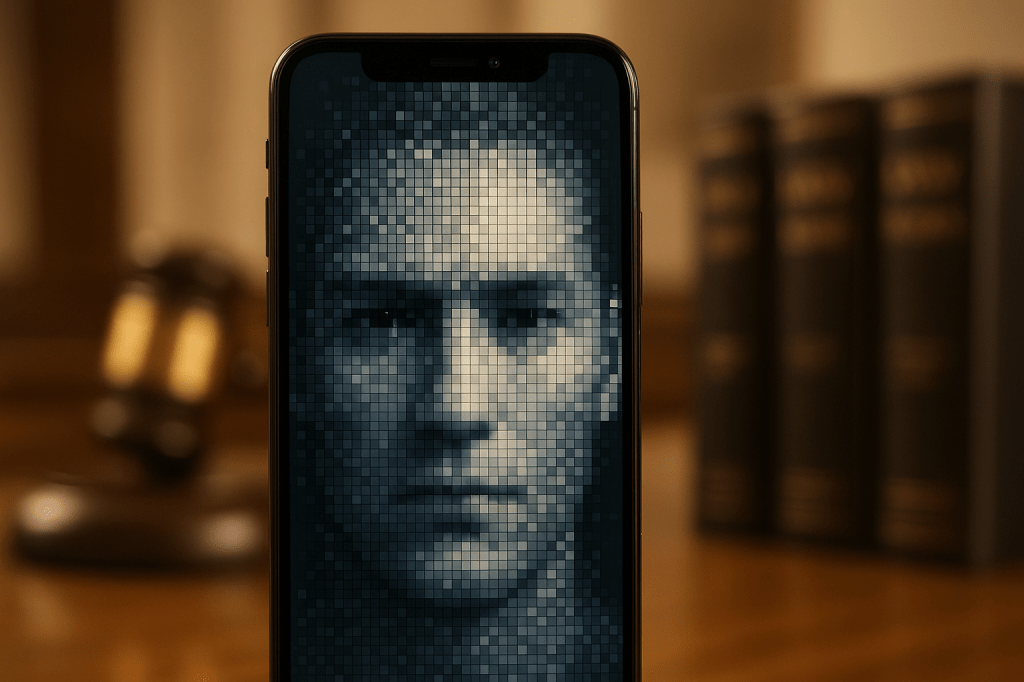
The moment that changed the conversation
In 2023 a viral song called “Heart on My Sleeve” used synthetic voices sounding like Drake and The Weeknd. The track was not created by those artists. Instead, audio tools generated convincing imitations of their voices. That episode made one thing clear, for artists, platforms, and everyday people alike. AI tools can now create realistic faces and voices that mimic real people, in minutes.
This story matters to readers across the United States and other countries because it highlights gaps in current law and platform rules. It also raises questions about consent, fraud, and economic harm. Key actors in the debate include musicians and public figures who raised alarms, tech platforms that host or create synthetic media, AI service providers that sell voice and face tools, and courts and lawmakers that are trying to catch up.
Why this affects ordinary people
Deepfake images and synthetic voice tools are no longer confined to labs. Affordable software and online services let anyone create a realistic image or voice from a few photos or short audio clips. That means the risk is not just for celebrities. Regular people can be impersonated in scams, shown in false situations, or denied control of how their image is used.
When a voice or likeness is used without permission, harms can include reputation damage, emotional distress, economic loss, and the spread of misinformation. Courts, platforms, and lawmakers are now debating who is responsible for those harms and what rules should apply.
Quick facts
- Origin example: the 2023 faux-Drake track “Heart on My Sleeve” illustrated how convincing synthetic voices can be.
- Legal terms in play include likeness, publicity rights, copyright, and privacy laws.
- Platforms vary in how they respond, from removing content to offering tools that label AI creations.
Legal gaps: what current law does and does not cover
Existing legal tools include publicity rights that protect a person’s commercial likeness, copyright that covers original works, and privacy statutes that can bar certain uses of a person’s image. None of these were written for fast, consumer AI that can produce new media from a single photo or short audio clip.
Common gaps include:
- Publicity rights often focus on commercial uses, like ads, and may not clearly apply to political speech or parody.
- Copyright protects original creative work. If an AI creates a new voice or image, courts must decide whether that output can be copyrighted, or whether the original clips used to train the AI are infringed.
- Privacy and defamation laws can address harms but may not apply quickly or clearly enough to deter mass misuse.
Platform responsibility and the tension with innovation
Social platforms, streaming services, and AI companies face a difficult choice. They can allow broad creative freedom, which encourages innovation. Or they can impose strict rules to prevent misuse. Many platforms are still defining policy, enforcement, and technical means to manage synthetic likenesses.
Common platform responses include:
- Content removal policies for nonconsensual or deceptive AI-generated content.
- Labels that identify media as synthetic or AI generated.
- Tools to report and take down deepfakes, often reactive rather than preventive.
The tension comes from practical limits. Automated detection can miss sophisticated fakes. Human review is costly and slow. Policies that are too strict can block legitimate creative uses of AI, such as satire and parody. Policies that are too loose can leave people vulnerable to impersonation and fraud.
Notable cases and early precedents
Several lawsuits and enforcement actions have started to shape how courts and regulators see liability. Plaintiffs include artists, public figures, and private individuals who claim misuse of their voice or image. Defendants range from creators who posted synthetic media to companies that built or hosted the tools.
Legal issues being argued include:
- Whether a deepfake creator can be held liable for misuse of a likeness.
- Whether platforms have immunity for third party content, and when that immunity should be limited.
- Whether training datasets used by AI systems violated copyright or privacy laws.
These cases are setting early standards for damages and responsibility, but the outcomes are still developing. That means the law is uneven across jurisdictions, and results can vary by court.
Regulatory options and what lawmakers are considering
Legislators and regulators in different regions are proposing a range of approaches. Some proposals would strengthen notice and consent rules for synthetic likenesses. Others would require labeling or watermarking of AI generated media. A few bills focus on specific sectors, like political advertising or employment screening.
Regulatory approaches include:
- Mandatory disclosure for AI generated content in elections and public communications.
- Clear opt outs for a person’s likeness in commercial AI services.
- Standards for dataset transparency so companies must explain how models were trained.
Differences across jurisdictions mean companies may face a patchwork of laws. That can increase compliance costs and legal uncertainty, but it also pushes debate forward about acceptable norms and safeguards.
Cultural and economic impacts for creators and the public
Creators face the loss of control over how their image and voice are used. For musicians, actors, and influencers, synthetic copies can undercut licensing revenue and blur trust with fans. Ordinary people face risks too, such as being impersonated in scams or being falsely shown in compromising situations.
Broader societal harms include the spread of misinformation and erosion of trust in audio and video evidence. When synthetic media becomes common, consumers must become more skeptical about what they see and hear. That skepticism has real costs for journalism, civic discourse, and personal relationships.
Technical and policy mitigations
There are practical measures that can reduce harms without banning innovation. These measures can be adopted by AI companies, platforms, and policymakers.
- Watermarking and labeling. Embed signals that mark an image or audio file as AI generated. These can be invisible or visible, technical or human readable.
- Authentication tools. Systems that verify original recordings or photos can help prove authenticity when it matters.
- Detection technology. Machine learning models can flag likely synthetic media, though detection faces an arms race with generation methods.
- Opt-out registries. Services could let people request removal of their likeness from commercial training data or models.
- Design changes. Platforms can limit the spread of synthetic content, require explainable provenance, and make reporting easier.
Each technical fix has limits. Watermarks can be removed, detection can be fooled, and opt-out systems need strong verification to avoid false claims. The best approach is a combination of technical, legal, and policy tools.
Practical guidance for creators, platforms, and everyday users
Creators should document their work and consider contracts that address AI use. Explicit licensing terms can protect reuse and set expectations for AI driven transformations.
Platforms need clearer policies and faster response systems. That includes transparent enforcement practices and better tools for people to challenge synthetic misuse of their likeness.
Everyday people can take steps to reduce risk:
- Limit what you post publicly. A few high quality photos and short clips are enough to train some tools.
- Use privacy settings and think about where your images appear online.
- Keep records if you suspect misuse, and use platform reporting tools to flag synthetic impersonation.
Key takeaways
- AI generated faces and voices are now realistic enough to cause real harms, as shown by the “Heart on My Sleeve” incident in 2023.
- Current law was not designed with synthetic likenesses in mind, so legal gaps exist.
- Platforms and AI companies are part of the solution, but technical limits and business incentives complicate decisions.
- Practical responses include watermarking, detection, opt-outs, stronger contracts, and thoughtful platform policy.
FAQ
Can I sue if someone makes a deepfake of my face or voice?
Possibly, depending on where you live and how the deepfake is used. Laws for publicity, privacy, and defamation can apply. Legal outcomes will vary because courts are still determining how these laws apply to synthetic media.
Are platforms responsible for hosting deepfakes?
Platforms can be held responsible in some cases, but many have legal protections for third party content. Those protections are not absolute, and courts are starting to clarify when platforms must act. Platforms that host content also control policy, so they can choose how aggressively to remove or label synthetic media.
What can I do to protect my likeness?
Limit public sharing of high quality images and audio, use privacy settings, and document misuse with screenshots and timestamps. Consider contractual protections if you are a professional creator. Report nonconsensual synthetic media to platforms promptly.
Conclusion
AI generated faces and voices pose legal, technical, and cultural challenges. The 2023 faux-Drake track brought public attention to those challenges, but the issues reach far beyond celebrities. Lawmakers, courts, platforms, and creators must work together to build rules and tools that protect people without stifling creative uses of AI.
For now the best approach is practical. Individuals can reduce exposure, creators can update contracts, and platforms can adopt clearer policies, labeling, and detection. Over time courts and legislators will create stronger standards, but until then a mix of technical, legal, and community measures will be the main defenses against misuse.


 AI Everything Today
Leave a comment