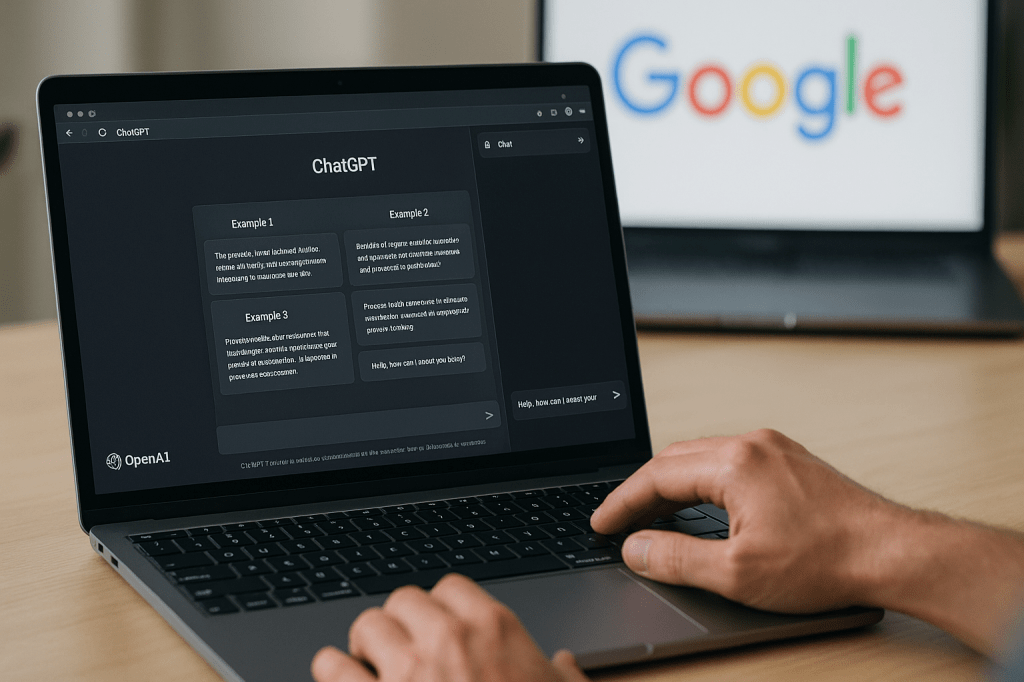
Quick overview
OpenAI announced a new web browser that integrates ChatGPT and generative AI features directly into browsing. This product positions OpenAI as a direct challenger to Google, which currently leads search and browser markets through Google Search and Chrome. The announcement matters because it changes how people might find information, how ads reach users, and how publishers get traffic.
Key actors in this shift are OpenAI, Google, Microsoft, browser makers, advertisers, and publishers. OpenAI’s browser blends generative responses, model-driven retrieval, and a fresh user interface. Google’s existing business depends on search queries, advertising revenue, and its ranking systems, so a move by OpenAI to change discovery could alter market dynamics.
What is OpenAI’s new browser and what stands out
The browser combines a traditional browsing experience with deep integration of ChatGPT. Users can browse websites while invoking conversational AI that summarizes pages, answers complex questions, and generates content snippets. The interface prioritizes generative results alongside or in place of traditional search listings.
Standout AI-driven features
- Inline ChatGPT panel that responds using context from the current page and user queries.
- Generative answer cards that present synthesized responses rather than a list of links.
- Context-aware retrieval, where model access to browsing history and page content helps refine results.
- User interface tweaks that emphasize conversations, follow-up questions, and interactive summaries.
Why this poses a strategic threat to Google
Google’s core search business earns massive revenue from ads shown alongside search results. The new browser offers an alternative path to answers, one that can reduce direct clicks to publisher pages and lower exposure to traditional search ads. If users begin to rely on generative summaries, Google could lose search share and advertiser attention.
OpenAI’s advantage is model-first integration. The browser can route queries directly through its generative model, producing distilled answers instead of ranked link lists. That changes the unit of value from individual web pages to synthesized responses, which shifts how attention and ad dollars are allocated.
Technical and product advantages OpenAI can use
- Tighter model integration. The browser runs requests through OpenAI models with the page context available, enabling smoother, faster generative responses.
- Different retrieval methods. Instead of relying only on link-based ranking, the browser can combine vector search, cached knowledge, and on-page context to retrieve relevant information.
- New UI patterns. Conversation-first interfaces encourage follow-up, clarification, and iterative discovery, which can make the browsing experience feel more efficient for many tasks.
Implications for advertisers, publishers, and the web
Changes to how users discover content will affect multiple groups. Advertisers may see fewer impressions on search result pages, or they may need to adapt to new ad formats inside generative answer cards. Publishers could lose referral traffic if users accept synthesized answers without clicking through.
Possible effects include:
- Lower organic search traffic for some sites if answers are delivered directly by the model.
- Pressure on publishers to create content that the model cites and relies on.
- New monetization models that integrate with generative platforms rather than site-level ads only.
Privacy and data collection tradeoffs
OpenAI’s approach requires access to browsing context and user queries to produce useful generative responses. That raises tradeoffs for users and regulators. On one hand, richer context improves usefulness. On the other hand, it increases the amount of personal and behavioral data processed by the provider.
Potential user and regulatory considerations include:
- Types of data collected, including browsing history, page content, and query logs.
- How long context is stored, and whether it is used to improve models.
- Transparency around data usage, user controls, and opt-out options.
Antitrust and regulatory questions
A major AI firm challenging a market leader raises regulatory interest. Regulators will watch whether integrations lock users into one provider, whether default settings harm competition, and how data advantage can create durable power. Antitrust inquiries could examine bundling of services, preferential treatment for proprietary content, and vertical integration between models and discovery mechanisms.
How competitors might respond
Expect short- and medium-term reactions from Google, Microsoft, and browser vendors.
- Google could integrate more generative features directly into Search and Chrome, or highlight provenance and source links to protect clicks to publishers.
- Microsoft may accelerate integration between AI models and Edge or Bing, given its partnership with OpenAI and its existing browser presence.
- Other browser vendors might add optional AI features or emphasize privacy and neutrality as selling points.
User adoption hurdles and likely adoption paths
Several factors affect how quickly users switch from Google Search and Chrome.
- Trust and accuracy. Users need to trust the model’s answers and the citations provided.
- Default settings and distribution. Default browser deals, integration with devices, and easy onboarding will help adoption.
- Power users and existing ChatGPT users. Early adoption likely comes from heavy ChatGPT users and professionals who value efficiency.
- Privacy-conscious users may avoid deep model integration unless controls and transparency are strong.
What developers, SEO professionals, and content creators should do
Shifts in discovery require adaptation. Here are practical steps.
- Focus on authoritative, well-cited content that generative models can reference when producing answers.
- Structure content with clear facts, summaries, and metadata that models can parse.
- Monitor referral and engagement metrics closely to detect changes in traffic patterns.
- Explore partnerships and formats that integrate with generative platforms, including API access and licensed content arrangements.
Key milestones and signals to watch next
- Rollout timeline. Watch for staged releases, geographic availability, and platform support.
- Partnership announcements. Early deals with device makers, publishers, and advertisers will show strategic direction.
- Usage metrics. Metrics such as daily active users, session length, and query volume indicate real adoption.
- Advertising product roadmaps. Look for new ad formats, auction models, and measurement tools tailored to generative answers.
FAQ and key takeaways
Will this replace Google Search for most users
Not immediately. Google has a strong user base and an entrenched ad system. The new browser creates a credible alternative for tasks where synthesized answers help. Broad replacement, if it happens, will take time and depend on trust, defaults, and ecosystem changes.
Is my browsing data safe
Safety depends on the provider’s policies and defaults. Users should review privacy settings and the transparency documents the vendor publishes. Expect regulators to push for clearer disclosure and controls.
How should publishers react
Publishers should optimize for being cited by models, protect subscription value, and diversify traffic sources. Licensing discussions with AI firms may become more common.
Concluding perspective
OpenAI’s new browser is more than a product announcement. It signals a shift toward model-driven discovery that could change search economics, user habits, and publisher revenue. For ordinary users, the immediate change will be a different way to get answers, one that blends chat and browsing. For businesses, the change raises questions about traffic, ad formats, and data governance.
The next year will reveal whether generative browsing becomes a mainstream alternative to Google Search, how quickly users adopt it, and how regulators and competitors adjust. Pay attention to rollout milestones, partnership news, and early usage metrics to understand how this technology affects your daily browsing and your professional plans.
Key takeaways
- OpenAI launched a browser that tightly integrates ChatGPT and generative results into the browsing experience.
- The move represents a strategic challenge to Google’s search and ads model, with potential effects on traffic and revenue.
- Privacy, regulatory reviews, and adoption hurdles will shape how quickly this product changes the web.
- Publishers and SEO professionals should prepare by making content model-friendly and exploring new monetization paths.




 AI Everything Today
Leave a comment