
Overview: OpenAI launches apps inside ChatGPT
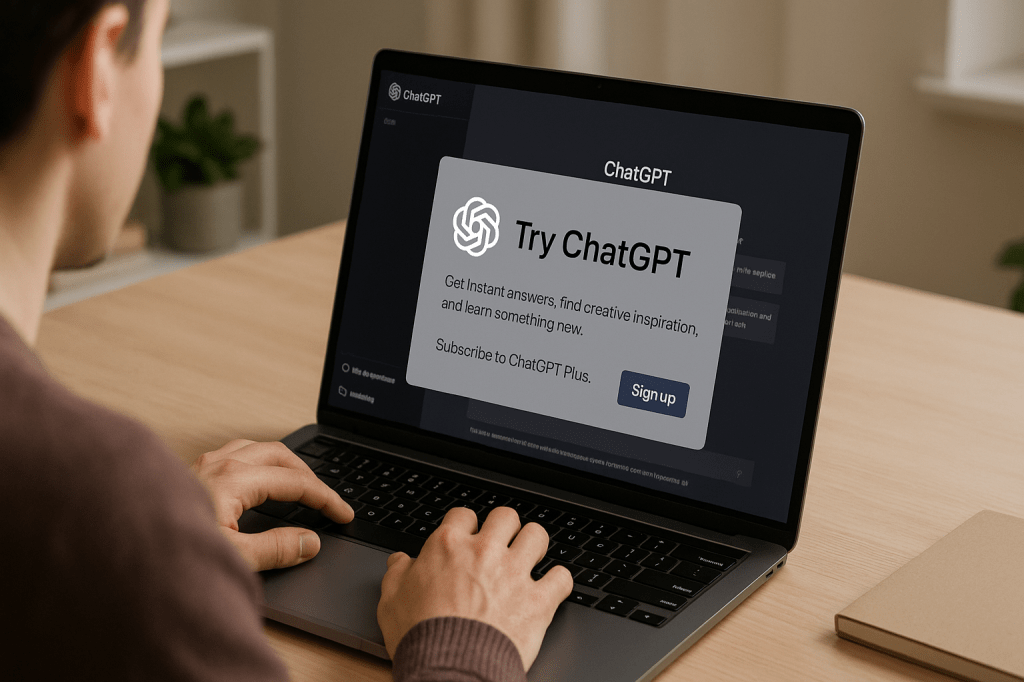
OpenAI has launched apps inside ChatGPT that let users control popular services without leaving the chat interface. Early partners include Spotify, Canva, Figma, Zillow, Expedia, and Coursera. The apps appear inside ChatGPT, and they add controls and actions that work alongside a conversation with the AI.
Key facts in plain language. The new ChatGPT apps let you ask the AI to perform tasks that call a partner service, for example create a Spotify playlist, generate an editable Canva design, edit a Figma diagram, pull Zillow real estate listings, or plan and book travel with Expedia. Apps are live in many regions, but they are not yet available in the European Union. OpenAI will open app submissions to more developers later, and the company published design guidelines that set limits on what apps should do.
What ChatGPT apps are, and why they matter
ChatGPT apps are native integrations inside the ChatGPT chat. Instead of shifting to a separate website or app, you can ask ChatGPT to use features from a partner service while you keep the conversation. This blends the assistant model with actual actions on external accounts.
Why this matters to ordinary users. You can do more from one place, for example build a playlist while describing the mood you want, or get property listings and maps while asking follow up questions. That reduces back and forth between tools and simplifies tasks for people who prefer conversational interfaces.
Examples and user flows
Here are early app examples and how they work in ChatGPT.
- Spotify, creates personalized playlists based on prompts. You can ask for a playlist for a mood, a decade, or a custom mix, and Spotify will generate songs directly from the chat. Some limits apply for free users.
- Canva, generates editable designs. You can ask for an image or layout, then open and refine that design in Canva through the chat.
- Figma, allows diagram generation and edits. ChatGPT can propose or adjust layout elements and hand off an editable Figma file.
- Zillow, returns real estate listings with photos and maps. You can ask for homes that match filters and discuss options in the same conversation.
- Expedia, helps plan trips and access booking or price data. The app can gather options and present booking steps while you refine dates or preferences with ChatGPT.
- Coursera, surfaces learning content. ChatGPT can point to courses or suggest learning paths and provide summaries of relevant content.
How the flows feel
In practice, you keep typing. The assistant responds and launches the partner action for tasks that need external data or interactions. You may need to link accounts and grant permissions to allow actions such as creating playlists or accessing listings.
Free users, paid users, and rollout notes
OpenAI built different feature access levels. Some app features differ between free and paid ChatGPT users. For example, Spotify capabilities may be limited for free users compared to paid subscribers. There are also compute-related rollouts and tiered access, such as features initially available only to certain paid plans.
Regional availability is also staged. Apps are not yet available in the European Union at launch. OpenAI plans to open submissions to more developers later, bringing more services and regional availability over time.
Privacy, permissions, and data flow
Using an app typically requires linking your third party account to ChatGPT. That allows the app to perform actions on your behalf, and it also means data moves between OpenAI and the partner service.
Things ordinary users should check before linking accounts:
- What permissions are requested, and whether those permissions match the action you want to take.
- How data is shared, stored, and used by OpenAI and the partner. Expect that some usage metadata and content of the interaction may be processed to complete the action.
- Regional privacy differences. Because apps are not available in the EU initially, European users may see different rules or later availability with different privacy controls.
Developer angle: SDK, guidelines, and limits
OpenAI released an apps SDK and set design rules for developers who want to build inside ChatGPT. The company will open submissions to more developers after the initial launch window. The guidelines list recommended use cases and also specific restrictions.
What developers can and cannot do, in short:
- Apps should offer focused, interactive actions that complement a chat experience rather than replicating a whole app inside ChatGPT.
- Long form content generation is discouraged inside an app, for example running a full article or book creator inside the app interface.
- Complex multi-step workflows that are better suited to a dedicated app are restricted. Apps should keep interactions relatively simple and conversational.
- Advertising inside apps is not allowed. Apps should not present ads as part of the chat experience.
How to get started, and prompts to try
Getting started usually follows these steps. Open ChatGPT, find the apps tab or store inside the interface, enable the app you want, and link the required account. After linking, try a few guided prompts.
Prompt examples to try right away:
- For Spotify: “Create a 90 minute playlist for a rainy afternoon with indie folk and soft electronic tracks.”
- For Canva: “Make a simple Instagram post for a weekend sale, pastel colors, room for a 20 percent badge.”
- For Zillow: “Show homes under $500,000 within 20 miles of my zip code with at least three bedrooms.”
- For Expedia: “Plan a 5 day trip to Lisbon in June, midrange hotels, one day for nearby beach suggestions.”
- For Figma: “Create a wireframe with three cards, header, and a call to action button on each card.”
When to use an integrated app versus a standalone service
Use the ChatGPT app when you want quick, conversational control and simpler actions. Use the standalone service for heavy editing, complex workflows, or advanced account features that need a full interface.
Examples:
- Use the ChatGPT Spotify app to rapidly assemble playlists based on mood or keywords. Use the Spotify app for deep library management or complex playlist collaboration.
- Use the ChatGPT Canva app to generate a draft design and iterate quickly. Use the Canva site for multi-page brand templates and advanced layout control.
Implications for businesses and creators
For businesses and creators, ChatGPT apps create a new channel to reach users. A brand that integrates can let customers complete tasks in a conversational flow, like booking travel, browsing listings, or editing creative assets.
Potential benefits include:
- Lower friction for customers who prefer chat interactions.
- New discoverability when users browse the apps inside ChatGPT.
- Streamlined customer service and guided workflows for routine tasks.
Creators should weigh these benefits against the limits in the design guidelines and the dependence on ChatGPT as a distribution point.
Limitations and what to watch next
Current gaps users should know about include limited regional availability, especially in the EU, and restrictions on complex workflows inside apps. Security and trust remain important concerns because apps require linking accounts and sharing data across services.
Watch for these developments:
- Expanded regional availability and clearer privacy rules for Europe.
- More partner integrations and community apps when OpenAI opens submissions.
- Tweaks to feature access between free and paid users as OpenAI refines the rollout.
Key takeaways
- ChatGPT apps let you control services like Spotify, Canva, Figma, Zillow, Expedia, and Coursera from inside the chat.
- Apps require account linking and permissions, so check data sharing and privacy before enabling them.
- Features differ between free and paid users, and apps are not yet available in the EU at launch.
- Developers can use an SDK to build apps, but design guidelines limit long form content, complex workflows, and ads.
FAQ
Do I need to pay to use these apps
Some features are available to free users, but other capabilities may be limited to paid plans. Exact limits vary by app and by OpenAI account tier.
Are my accounts safe when I link them
Linking an account gives the app permission to act on your behalf. Read the permissions prompt carefully and consult each service’s privacy controls. OpenAI and partner services will handle data under their respective policies.
Can developers add ads inside apps
No. OpenAI’s current guidelines prohibit advertising inside apps integrated within ChatGPT.
Conclusion
OpenAI’s ChatGPT apps bring popular services into a single conversational interface, making it easier to complete small tasks and get context aware help. Early partners include Spotify, Canva, Figma, Zillow, Expedia, and Coursera, with more expected as OpenAI opens submissions to developers. Users should weigh convenience against privacy and feature limits, and businesses should consider how an app could simplify customer flows while adhering to the design guidelines. Expect gradual regional expansion and additional capabilities in the months ahead.



 AI Everything Today
Leave a comment