Quick overview: who, what, and when
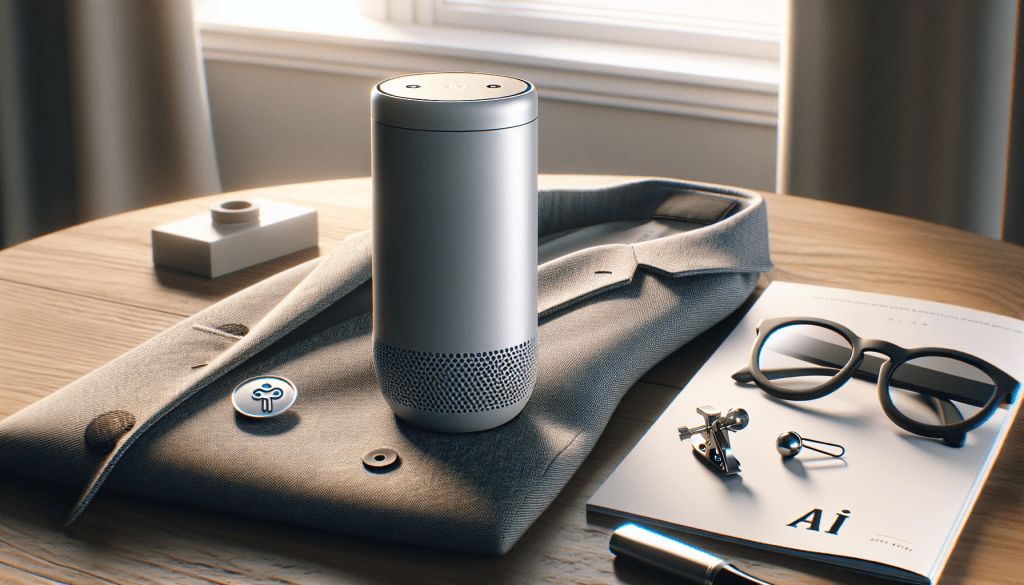
OpenAI is reportedly exploring a family of consumer devices, working with Jony Ive’s IO design team, according to reporting from The Verge that cites The Information. The prototypes said to be under consideration include a screen-free smart speaker, smart glasses, a digital voice recorder, and a wearable AI pin. The company has reportedly contacted Apple supply-chain partners Luxshare and Goertek, and the initial products are said to be targeted for late 2026 or early 2027.
This article explains what was reported, why the news matters to everyday users, and what to watch next. Key names and facts are clear: OpenAI, Jony Ive’s IO team, Luxshare, Goertek, and the late 2026 to early 2027 timeline appear in official reporting. The story also highlights hiring from Apple and early manufacturing conversations.
What the reports say
According to The Verge, which references The Information, OpenAI is considering a lineup of devices designed for contextual, screen-free interactions. The reported list includes:
- A screen-free smart speaker that listens and responds using large language models.
- Smart glasses that could add AI features to eyewear.
- A compact digital voice recorder for capturing and processing audio with on-device AI assistance.
- An AI pin, a wearable device that surfaces AI features without a full phone or watch screen.
The report says OpenAI has tapped top design talent from Apple and worked with Jony Ive’s IO team on industrial design. It also reports talks with manufacturing partners Luxshare and Goertek. The timeline cited is initial releases in late 2026 or early 2027, though that schedule is uncertain.
Why this matters to everyday readers
OpenAI is best known for ChatGPT and other cloud AI services. If it launches hardware, the company would move from software and APIs into devices that can collect audio and possibly visual context in everyday settings. That affects consumers in three ways:
- New interaction styles. Screen-free devices change how people get answers and control technology, relying more on voice and contextual signals.
- Privacy and data flow. Devices that are always listening or that add sensors change what data is collected, who processes it, and where it is stored.
- Competition and choice. New hardware from OpenAI could change the choices available when buying smart home devices or wearables.
Plain definition: what is a screen-free device
A screen-free device has no display for visual text or touch menus. It relies on voice, sound feedback, physical buttons, or companion apps to interact. The idea is to make interactions less tied to screens and more ambient.
What each device could be and how people might use it
The report names four form factors. Here is a simple description of each and possible day to day uses.
- Screen-free smart speaker: A voice-first home device that runs OpenAI models for chat, summarization, and hands-free help. Use cases include quick Q and A, household planning, and controlling smart home items.
- Smart glasses: Eyewear with sensors and AI that could offer brief audio prompts, contextual info, or language translation. Use cases include navigation help and quick facts while out and about.
- Digital voice recorder: A small handheld device that captures high quality audio and offers automated transcription, highlights, and searchable notes powered by AI. Use cases include interviews, academic notes, and meeting capture.
- AI pin: A clip-on wearable that surfaces short AI interactions without a large screen. Use cases include notification summaries, quick voice notes, and discreet assistance while moving around.
Design, talent, and supply chain signals
The reported involvement of Jony Ive’s IO team signals a focus on design and industrial feel. Hiring engineers from Apple suggests OpenAI is trying to bring hardware product experience in-house. Conversations with Luxshare and Goertek indicate OpenAI is exploring manufacturing paths used by many consumer electronics brands.
These moves matter because designing, prototyping, and mass producing hardware is different from building cloud services. Hardware introduces supply chain risks, manufacturing costs, and long lead times.
Technical questions and interaction models
Several technical choices will shape how these products work and how people experience them. Reported ideas raise questions such as:
- Sensor mix. Will devices use audio only, or include camera, lidar, or other sensors for context?
- On device versus cloud. Which tasks will run locally on the device, and which will require sending data to OpenAI servers?
- Interaction flow. How will a screen-free device present options, confirm actions, or display complex information?
Practical trade offs will influence privacy and latency. On-device processing can keep data closer to the user, but advanced models often run in the cloud and need strong network connections.
Privacy, safety, and data handling
Devices that listen in homes or on the go raise immediate privacy questions. Important points for consumers to watch include:
- What data is stored locally versus sent to servers.
- How long recordings or transcripts are kept, and whether they are tied to user accounts.
- Options for users to control recording triggers, delete stored data, and audit device activity.
OpenAI already has public commitments about safety and data use for its cloud products. Hardware brings new contexts that will require clear product policies and user controls if devices are released to consumers.
How these devices would compete with Apple, Google, and others
If OpenAI releases hardware, it will enter a market with established players. Apple makes iPhones, AirPods, and smart devices. Google and Meta make smart speakers and glasses projects. Startups are also trying new wearables. OpenAI’s advantage could be its AI expertise and brand recognition. Challenges include manufacturing scale, margins, and the need to integrate software and services tightly with hardware.
OpenAI could bundle device features with premium services, or partner with other companies for distribution. The success of any hardware will depend on price, performance, privacy features, and how well AI features work in real world settings.
Business and manufacturing realities
Manufacturing hardware requires significant capital, supply chain relationships, and logistics. Reports of discussions with Luxshare and Goertek suggest OpenAI is talking to firms that already produce for major brands. However, contracting manufacturing is only one step. Product testing, certification, and quality control are time consuming and costly.
Margins on hardware can be thin, which often pushes companies to focus on software services or recurring subscriptions. If OpenAI moves into devices, hardware could be a way to lock in users to paid services, or a new revenue stream if priced competitively.
What to watch next
Reported timelines point to late 2026 and early 2027 for initial products, but this could change. Here are signals to look for that would confirm progress:
- Job postings from OpenAI for hardware, firmware, or supply chain roles.
- Patent filings or regulatory filings for new device types.
- Announcements from manufacturing partners about new contracts.
- Early photos or teardown leaks that show prototypes.
Key takeaways for readers
- OpenAI is reportedly exploring multiple consumer device types, with design help from Jony Ive’s IO team and manufacturing talks with Luxshare and Goertek.
- Devices are said to be screen-free and focused on contextual, voice-first interactions; prototypes include a speaker, glasses, a voice recorder, and an AI pin.
- Privacy and data policies will be central to how these devices are received by the public, since always-listening or context-aware hardware collects new kinds of information.
- Mass production, cost, and integration with OpenAI services will shape whether these products can compete with offerings from Apple, Google, and others.
FAQ
Are these devices officially announced?
No. The reporting describes internal exploration and talks. There has been no official hardware announcement from OpenAI.
Would such devices work without an internet connection?
That depends on design choices. Some basic functions could work on device, but advanced AI features likely need cloud access.
Will OpenAI record everything I say?
Reports do not confirm data retention policies. If devices are built, users will need clear controls to manage recording, storage, and deletion.
How much would these devices cost?
The report does not include pricing. Similar smart speakers and wearables range widely, so pricing will influence adoption heavily.
Conclusion
The reports about OpenAI exploring a lineup of consumer hardware are significant because they indicate a potential move from cloud AI into devices that collect real world context. Key players mentioned include Jony Ive’s IO team, Luxshare, Goertek, and engineers with Apple backgrounds. The proposed products aim to deliver screen-free, contextual AI interactions, but they raise real questions about privacy, manufacturing, and competition with major tech companies.
For ordinary users, the important things to watch are official announcements, privacy policies, and whether these devices offer clear benefits over existing smart speakers and wearables. Practical product details and price will decide how relevant these devices are for daily life. Until OpenAI confirms plans, the best approach is to follow credible reporting and look for company statements that explain design, data handling, and user controls.


 AI Everything Today
Leave a comment