What happened, who is involved
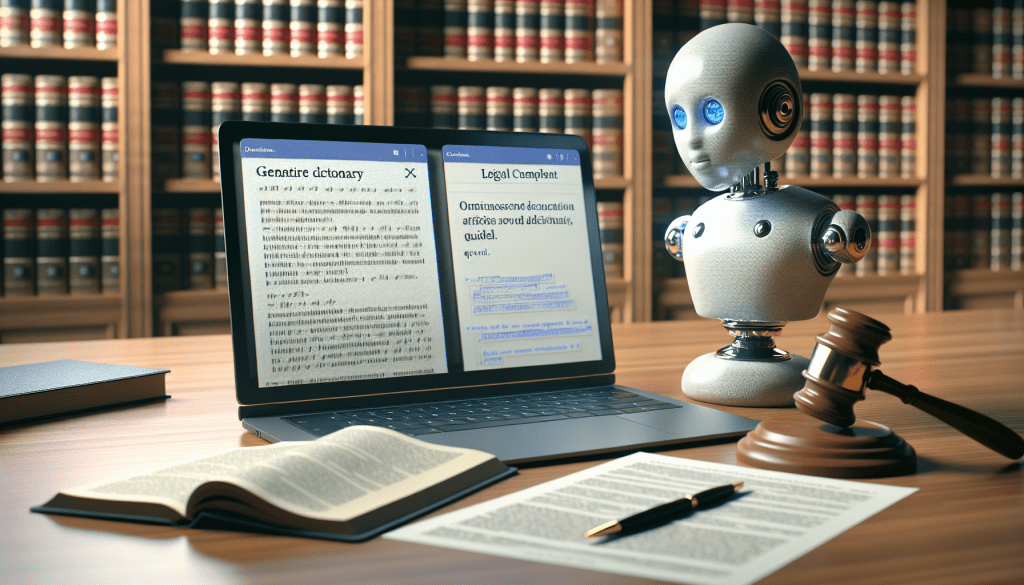
Encyclopaedia Britannica, which owns Merriam-Webster, filed a copyright and trademark lawsuit against the AI search company Perplexity in a New York federal court. The complaint alleges that Perplexity’s answer engine scraped material from Britannica and Merriam-Webster sites, reproduced definitions verbatim, and diverted readers away from the original publisher pages.
The complaint includes side by side screenshots of Perplexity results and Merriam-Webster entries, and it also claims trademark misuse when publisher names are attached to answers that are incomplete or incorrect. This suit joins a string of disputes between Perplexity and major publishers that include the New York Times, Forbes, the BBC, and News Corp.
Quick summary for readers
At issue is how AI search tools use web content to generate answers. Britannica and Merriam-Webster say Perplexity copies definitions directly, bypasses controls that would prevent scraping, and mislabels or misattributes content. Perplexity has previously faced similar complaints from news and information publishers, and this case could influence how AI firms collect, display, and license online content.
Key facts in the first days of the case
- Who sued whom: Encyclopaedia Britannica is suing Perplexity in New York federal court.
- Core allegation: Perplexity copied definitions and content verbatim and diverted traffic away from the publishers.
- Evidence cited: Screenshots in the complaint showing near identical text between Perplexity results and Merriam-Webster definitions.
- Additional claim: Trademark misuse when publisher names are paired with incomplete or hallucinated content.
Why this matters to ordinary readers
This case affects how people find and trust quick answers online. Many users now rely on AI answer engines for definitions, explanations, and summaries. If those tools replicate copyrighted content without permission, publishers may change how they make content available, which could make some facts harder to reach through a single AI answer.
Practical consequences you might notice
- Less direct access to trusted publisher pages, if sites restrict access or change how their content can be crawled.
- Changes to how AI tools display sources, including clearer attributions or fewer verbatim excerpts.
- Potential for more licensing agreements between publishers and AI firms, which could affect free access to brief facts or definitions.
What Perplexity does, in simple terms
Perplexity is an AI search and answer engine. It combines large language models with information retrieved from the web to produce short answers to user questions. The company displays an answer and often shows the web sources it used to build that answer.
How answers are typically produced
- Web crawling and indexing, where automated bots visit websites to collect content.
- Retrieval, where the system finds likely source passages related to a user query.
- Generation, where an AI model rewrites or summarizes the retrieved text to produce a concise answer.
Britannica’s complaint claims Perplexity went further, copying definitions word for word and bypassing technical safeguards that sites use to block automated copying.
Legal questions the case raises
The suit highlights several legal issues that could shape future AI behavior and publisher rights.
- Copyright for short text. Courts will consider whether brief definitions are protected by copyright, and if so, how much text can be reused before infringement.
- Fair use. Perplexity may argue that its use of short definitions is fair because the results serve a different purpose than the original and are transformative; a judge will weigh purpose, amount used, and market effect.
- Trademark and attribution. Britannica claims that attaching its or Merriam-Webster’s name to inaccurate or hallucinated AI answers can violate trademark rules and mislead readers.
- Evidence about crawling. The complaint alleges stealth crawling that bypassed robots.txt and other controls; proving how Perplexity collected content could be central to the case.
Why publishers are taking action now
Publishers face a trade off. Search engines traditionally drove traffic and ad revenue to newsrooms and reference sites. AI answer engines promise convenience for users, but they can reduce visits to publisher pages when answers are surfaced directly. Publishers are pushing back to protect both revenue and editorial control.
Recent actions by publishers include blocking crawlers, negotiating licensing deals, and filing lawsuits. Perplexity itself has struck ad revenue sharing arrangements with some outlets while being in dispute with others.
Possible outcomes and industry impact
There are a few plausible results from this litigation. Each has implications for how you will get information online.
- If Britannica wins, courts could limit how AI services extract and reuse copyrighted text, making licensing more common.
- If Perplexity wins on fair use grounds, AI companies may continue to present short verbatim excerpts with less need for licenses.
- A settlement could create business terms for content use, leading to clearer attribution, revenue sharing, or restricted excerpting.
- Rulings about trademark claims could require AI tools to avoid implying publisher endorsement when answers are generated automatically.
What publishers and AI firms might do next
- Publishers could tighten controls on crawling, use technical defenses, or pursue licensing agreements for short excerpts and definitions.
- AI firms may change how they display content, add clearer source metadata, reduce verbatim copying, or negotiate broad licenses.
- Both sides could agree industry standards for attributions and limits on excerpt length for dictionaries and reference works.
Practical advice for everyday users
- Check the source when an AI answer cites a publisher. Look for direct links or an ability to view the publisher’s page for context.
- Be cautious with single line definitions from an AI, especially for legal, medical, or technical matters. Use original references for any critical decision.
- If an AI result seems too precise or reads like a dictionary entry, consider visiting the named publisher to confirm the wording and context.
FAQ
Does this mean AI tools will stop giving definitions?
Not necessarily. AI companies may alter how they present definitions, for example by summarizing rather than copying verbatim, or by licensing content. Users will likely still get quick answers, but the presentation and sourcing could change.
Are all short pieces of text protected by copyright?
Court decisions vary. Very short facts or single words may not be protected, but original and creative phrasing, even in short definitions, can be eligible for copyright. This case could clarify where the line is drawn for reference entries.
Will this affect general web search engines?
Potentially. Outcomes that restrict how AI tools use web text may also influence other search services that produce summarized answers. The ruling could shape industry practices around web crawling and content reuse.
Key takeaways
- Encyclopaedia Britannica and Merriam-Webster have sued Perplexity in New York federal court, alleging copied definitions and trademark misuse.
- The case raises important questions about copyright protection for short definitions, fair use, and how AI firms gather web content.
- Results could change how AI answer engines display information, how publishers control their content, and how readers access trusted sources.
Conclusion
This lawsuit is part of a wider clash between publishers and AI companies about control of online content. For the public, the dispute matters because it could change how quickly and reliably people get verified facts and definitions through AI tools. Court rulings or settlements will likely affect technical practices, licensing deals, and the everyday experience of searching for answers online. Watch for developments in the case and for any changes Perplexity or publishers make to how they handle and show sourced content.

 AI Everything Today
Leave a comment