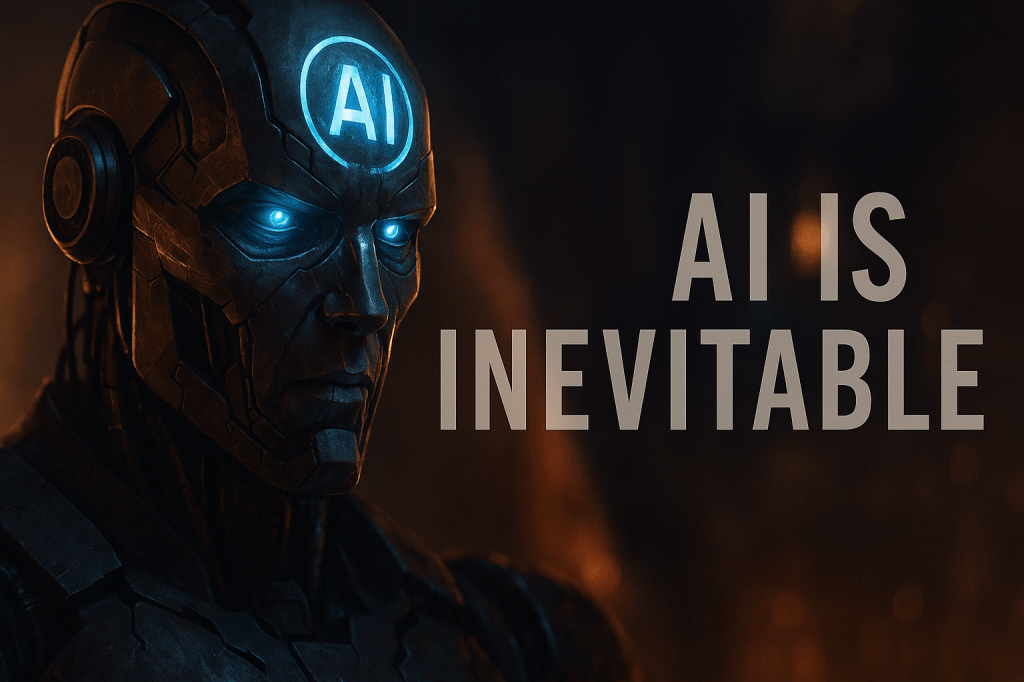
Artificial Intelligence (AI) is no longer just a trend. It is the future. From offices to factories, schools to hospitals, AI is being used almost everywhere. And it is not going away.
Many companies are now using AI to work faster and smarter. Some are even replacing human jobs with AI tools. At the same time, some companies are banning AI because they worry about safety or misuse. It is a confusing time for many workers. But one thing is clear: AI is here to stay.
So what does that mean for you? In this article, we will explore how you can survive, adapt, and even grow in a world powered by AI.
Why AI Is Not Going Away
AI is changing the way the world works. In just the past few years:
- Millions of people have started using tools like ChatGPT, Midjourney, and Copilot.
- Companies are investing billions of dollars into AI development.
- More and more jobs, especially office jobs, are being affected by automation.
AI is becoming part of everyday life. It helps us write emails, answer questions, make decisions, and even drive cars. Avoiding AI now is like trying to avoid the internet in the year 2000. It’s almost impossible.
Instead of trying to run away from AI, it’s smarter to learn how to live with it.
The Real Question: How Do You Survive?
You don’t need to become a computer engineer to survive the AI wave. But you do need to become someone who knows how to work with AI. Here are four key strategies.
1. Learn to Work With AI
AI is a tool. And like any tool, it can help you if you know how to use it.
Start small. Try writing a simple summary with an AI tool. Use it to check your grammar. Or ask it to help you brainstorm ideas. The more you use AI, the more comfortable you’ll become.
Think of AI like a coworker. It won’t take your job if you’re the one who knows how to manage it.
Action tip: Pick one AI tool and use it for just 10 minutes a day. That’s enough to start building your skill.
2. Keep Learning New Skills
AI changes fast. That means your skills need to change too.
The good news? You don’t need to learn everything. Focus on what matters in your job. For example:
- If you’re in marketing, learn how to prompt AI to write copy.
- If you’re in customer support, learn how AI chatbots work.
- If you’re in design, explore how AI can help create faster prototypes.
Also, don’t forget “human” skills. AI is not good at empathy, leadership, creativity, or storytelling. These are the skills that will matter more in the AI future.
Action tip: Choose one human skill (like creativity) and one tech skill (like prompt writing) to focus on this month.
3. Be Mentally Flexible
Many people feel scared or frustrated about AI. That’s normal. But fear alone doesn’t help.
Instead, try to stay open. Be ready to change how you work. Accept that some jobs will disappear. But also understand that new jobs will be created.
Being flexible is not about giving up. It’s about learning how to bend without breaking.
Action tip: Ask yourself each week, “What’s one thing I can do differently using AI?”
4. Build Your Personal Brand
AI will change what companies look for in people. But one thing won’t change: your personal reputation.
Start sharing what you learn. Write short posts online. Show your skills on LinkedIn or other platforms. If you become known as someone who understands AI, more doors will open for you.
Also, build your network. Talk with others who are learning AI. Ask questions. Join online communities. You’re not in this alone.
Action tip: Share one thing you learned about AI this week on social media.
Final Thoughts
AI is not a trend. It is a permanent shift in how the world works. But it is not the end of opportunity. It is the start of something new.
You don’t need to fear AI. But you do need to prepare.
Learn to work with AI. Keep growing your skills. Stay flexible. Build your brand.
The people who thrive in the future are not the ones who fight AI. They are the ones who learn to work with it.
Start today. Your future self will thank you.






 AI Everything Today
Leave a comment