
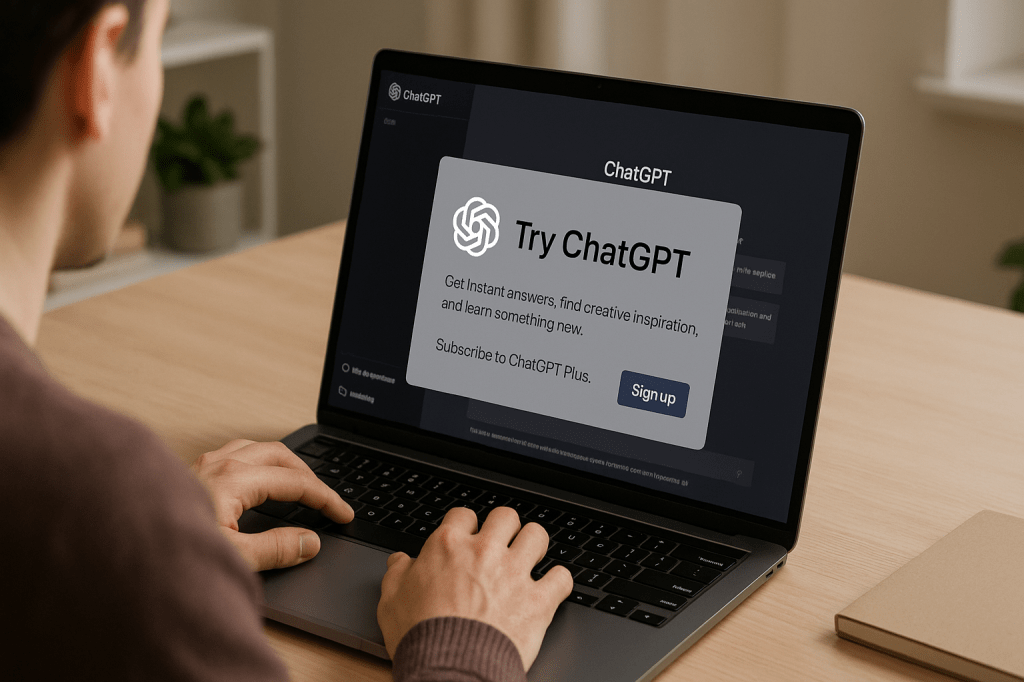
Artificial Intelligence is changing fast. One company at the center of this change is OpenAI. Known for creating ChatGPT, OpenAI is now working to take things to the next level. The company wants ChatGPT to become more than just a chatbot. Their goal is to turn it into what they call a “super assistant.”
This post will explain what that means, why it matters, and how it could affect the way we work, live, and interact with technology.
What Is a “Super Assistant”?
OpenAI’s vision for a super assistant is simple: it’s an AI tool that can help people with almost anything. Right now, ChatGPT can answer questions, write emails, help with schoolwork, or even code. But OpenAI wants to make it smarter, faster, and more helpful across a wide range of tasks.
Imagine a tool that can read your emails, schedule your meetings, take notes, book your travel, write your reports, and help you learn new skills all in one place. That’s what OpenAI is building.
A More Personal and Useful AI
To become a true assistant, ChatGPT must learn how to adapt to each user. OpenAI is working on personal memory features that allow the AI to remember your preferences, your work habits, and your common tasks. For example, if you prefer your emails to be short and friendly, the assistant will remember that. If you always schedule meetings in the afternoon, it won’t suggest morning slots.
This level of memory and personalization will make the assistant feel more like a helpful coworker than a machine.
More Than Just Text
Another major part of OpenAI’s plan is to make ChatGPT multimodal. That means it won’t just respond to text but will also understand images, audio, and maybe even video in the future. You could show the assistant a photo of a math problem, and it could explain how to solve it. Or you could upload a chart, and it could summarize the key trends.
OpenAI is already testing these features in some versions of ChatGPT. They plan to expand them to more users soon.
Deep Integration with Other Tools
For ChatGPT to truly be useful, it needs to work well with the tools people already use every day. OpenAI is focusing on integrating the assistant with calendars, document tools, spreadsheets, email platforms, and more. That means you could say something like:
“Summarize my last five meetings and draft an email to my boss.”
And ChatGPT would do it, pulling data from your calendar, your meeting notes, and your preferred email style.
These kinds of deep integrations could save people hours every week.
Easy to Use for Everyone
OpenAI is also working to make the assistant as easy to use as possible. You don’t need to be a developer or a tech expert. Just talk to it the way you would talk to a person. You don’t need perfect grammar, or even to be specific. The assistant will be trained to ask follow-up questions and make sure it understands what you need.
This kind of user experience is key to making the assistant work for everyone, from students to professionals to older users who may not be tech-savvy.
Privacy and Safety
Of course, a tool this powerful raises concerns. If an assistant can see your emails, hear your meetings, and remember what you like, it needs strong privacy protection. OpenAI has said it is building in privacy and safety by default. Users will be able to see what the assistant remembers, delete data, and turn memory features off at any time.
Also, the assistant will be transparent about what it can and cannot do. And OpenAI is testing it carefully to make sure it avoids mistakes, bias, or harmful behavior.
Why This Matters
OpenAI’s vision for a super assistant is not just a cool tech upgrade. It has the potential to change how people work and live.
- For workers, it means less time on boring tasks and more time on creative work.
- For students, it means easier access to help and personalized learning.
- For businesses, it means more efficient teams and faster workflows.
- For everyone, it means a new kind of relationship with AI — one that’s more helpful, more human-like, and more deeply connected to our daily lives.
What Comes Next?
OpenAI hasn’t given an exact date for when the full super assistant will be ready. But many of the features — like memory, multimodal support, and integrations — are already being tested or rolled out gradually. In the next 6 to 12 months, we can expect big progress.
Other companies like Google and Microsoft are also working on similar AI assistant tools. But OpenAI’s focus on usability, personal memory, and broad usefulness gives it a strong lead in this new race.
Final Thoughts
OpenAI’s push to turn ChatGPT into a super assistant is one of the biggest stories in tech right now. It shows how far AI has come in just a few years. More than that, it shows what AI could become — not just a smart program, but a true partner in your daily life.
If done right, this new kind of assistant could make technology more helpful, more personal, and more powerful than ever before.
Stay tuned. The future of work, learning, and communication might soon include a super assistant by your side.

 AI Everything Today
Leave a comment